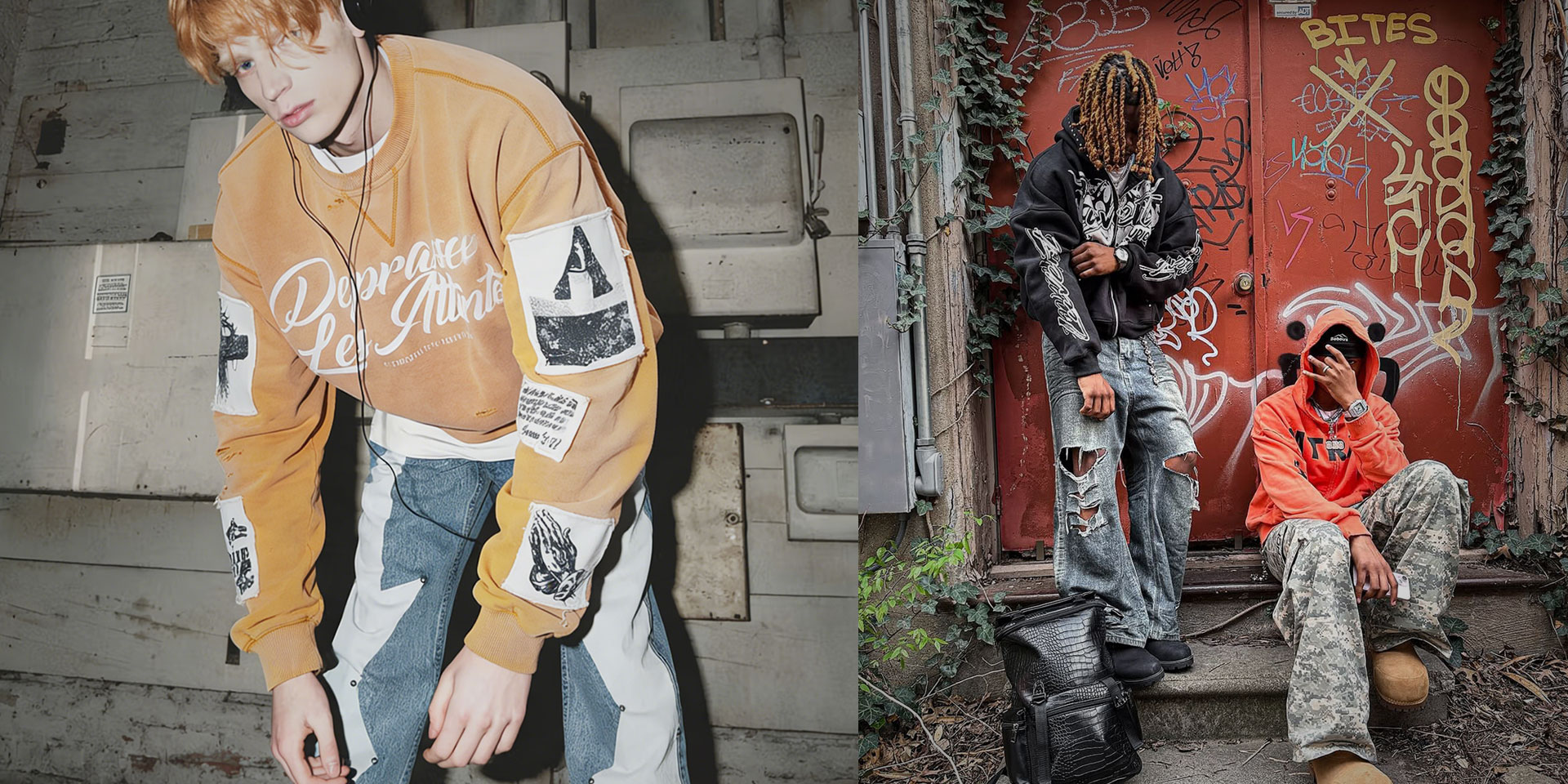
The Fabric Makes the Fade: Flannel, Twill, or Brushed Cotton for Vintage Streetwear Shirts?

China Still Hits Different: When China Is the Right Call for Streetwear Shorts Manufacturing in 2026
Many brand teams find out too late that a factory capable of sewing a basic pair of gym shorts might completely fall apart when tasked with producing a heavyweight, acid-washed streetwear piece. On paper, a supplier may look capable — decent portfolio, quick response time, reasonable quote. But the reality of modern streetwear production is far more demanding than a PDF deck can communicate. The market has shifted hard. Consumers are no longer satisfied with simple printed blanks; they expect specific fabric weights, complex distressing, and silhouettes that hold their shape after multiple washes. This evolution means that procurement teams and product developers are constantly re-evaluating where to place their production to balance technical execution with scalable consistency.
What sounds like a simple sourcing question — "should we manufacture in China?" — often turns into a complex supply chain puzzle, especially when evaluating regional capabilities in 2026. While some brands explore emerging manufacturing hubs to diversify risk, China remains a dominant force in the apparel ecosystem. But the decision to manufacture there is no longer just about cost or speed. It is about understanding whether a specific region or factory has the technical depth to execute culture-driven product development at scale. This article breaks down the production realities, technical complexities, and strategic decision-making logic that determine when China is the right call for streetwear brands with proven sales looking to scale their shorts programs.
Why Do Streetwear Shorts Require Specialized Manufacturing Capabilities?
Quick Answer: Streetwear shorts demand specialized manufacturing because they rely on heavyweight fabrics, complex wash techniques, and structured silhouettes that general apparel factories struggle to execute consistently. The difficulty lies not in making a single sample, but in maintaining sample-to-bulk consistency across large production runs where fabric behavior, wash chemistry, and construction precision must all align.
The complexity of streetwear shorts is consistently underestimated. A standard pair of athletic shorts focuses on lightweight, moisture-wicking materials and basic construction — straightforward stuff. In contrast, a premium streetwear short is defined by its tactile qualities and visual identity. When product development teams design a heavyweight mesh short or a distressed French Terry piece, they are engineering a specific drape and handfeel. This requires a streetwear clothing manufacturer that understands how different fabric weights interact with various finishing techniques.
For example, when applying an acid wash or vintage fade to a 400gsm cotton short, the fabric will shrink and the color will shift. A specialized factory anticipates these changes during the pattern development stage, adjusting the cut to ensure the final oversized or boxy fit remains accurate after the wash process. General factories often miss these nuances entirely, resulting in bulk production that feels like a completely different product from the approved sample. Techniques like heavy embroidery, puff print, or distressing also require precise coordination. If the fabric is too thin, embroidery will pucker; if the wash is too aggressive, the distressing will tear during bulk processing.
The visual identity of streetwear is heavily reliant on these technical executions. A brand might design a pair of shorts with a specific vintage wash and cracked print, aiming for a nostalgic, lived-in aesthetic. If the factory uses a standard enzyme wash instead of a carefully controlled acid wash, the resulting garment will lack the intended depth and character. Similarly, if the print is applied before the wash without proper curing, it may wash away entirely or crack in unintended ways. These are not merely aesthetic preferences; they are critical components of the product's value proposition. A specialized manufacturer understands this and implements rigorous testing protocols to ensure that the final product aligns with the brand's vision.
Moreover, the construction of streetwear shorts often involves complex paneling, custom hardware, and unique pocket placements. A cargo short requires precise stitching and reinforcement to ensure durability and functionality. A general apparel factory might struggle with these details, leading to inconsistent sizing, weak seams, and ultimately, a product that does not hold up to the brand's standards. By partnering with a manufacturer that specializes in streetwear, brands can leverage deep expertise in handling heavyweight fabrics, executing intricate designs, and maintaining strict quality control standards throughout the production process.
What Makes China a Strategic Hub for Complex Streetwear Production?
Quick Answer: China remains a strategic hub for complex streetwear production due to its unmatched supply chain density, allowing rapid access to premium fabrics, specialized wash houses, and advanced printing facilities within localized ecosystems like Dongguan and Guangzhou — infrastructure that most other regions simply cannot replicate at scale.
When evaluating regional sourcing options in 2026, the conversation often centers on the depth of the local supply chain. China's primary advantage is not merely the presence of cut-and-sew factories, but the dense network of supporting industries that surround them. In regions like Dongguan, a specialized streetwear factory has immediate access to custom fabric mills, dye houses, and trim suppliers — often within a 30-minute drive. This proximity drastically reduces the friction and lead time associated with product development and bulk execution.
For streetwear brands with proven sales, this ecosystem is critical for executing complex designs. If a collection requires a custom-dyed heavyweight fleece with a specific enzyme wash and intricate appliqué, coordinating these steps across disparate locations introduces significant risk and delay. In China's established hubs, these processes are integrated. The ability to rapidly iterate on a wash recipe or adjust a print placement without waiting weeks for materials to cross borders allows brands to maintain tight launch schedules. This level of infrastructure supports the repeatable sample-to-bulk execution that mature brands require when scaling their operations.
Beyond the physical infrastructure, China's manufacturing sector has cultivated a deep understanding of the technical requirements of premium streetwear. Over the years, factories in regions like Guangzhou have transitioned from producing basic apparel to specializing in high-end, complex garments. This evolution has fostered a workforce skilled in handling heavyweight fabrics, executing intricate embroidery, and managing delicate wash processes. When a brand partners with a specialized manufacturer in China, they are tapping into decades of accumulated expertise and technical know-how that simply does not exist at the same depth in newer manufacturing regions.
Furthermore, the scale of China's manufacturing capabilities allows for unparalleled flexibility. Whether a brand is launching a controlled capsule collection or scaling up production for a core product line, Chinese manufacturers can accommodate varying order volumes without compromising on quality. This scalability is particularly valuable for independent brands with real traction, as it enables them to validate new concepts before committing to larger orders. By leveraging China's robust supply chain and technical expertise, brands can navigate the complexities of streetwear production with greater confidence and agility.
How Do Brands Evaluate a Streetwear Manufacturer for Bulk Consistency?
Quick Answer: Brands evaluate a streetwear manufacturer by examining their pre-production systems, quality control protocols, and ability to flag design risks early — ensuring that the factory can replicate complex finishes and fits reliably across thousands of units, not just in the sampling room.
The transition from a successful sample to a flawless bulk run is where many production partnerships fail. Procurement teams understand that a beautiful prototype is meaningless if the factory cannot maintain that standard across a full production order. Therefore, evaluating a custom streetwear clothing manufacturer involves looking beyond their portfolio and scrutinizing their operational systems.
Experienced sourcing teams look for manufacturers that actively engage in tech pack reviews and flag potential production risks before sampling begins. If a design calls for a heavy screen print over a seam, a proactive partner will warn about the risk of cracking and suggest alternative placements or techniques. During the bulk phase, the focus shifts to standardized quality control: How does the factory manage color consistency across different dye lots? What are their tolerances for shrinkage after a vintage wash? How do they handle fabric substitutions when a material is out of stock? By prioritizing partners with robust in-house QC and clear communication protocols, brands mitigate the risk of downstream quality issues that can derail a seasonal drop.
A critical aspect of evaluating a manufacturer is assessing their approach to sample-to-bulk consistency. A reliable partner will implement a rigorous approval process, requiring sign-off on pre-production samples, size sets, and wash tests before initiating bulk production. They will also maintain detailed records of fabric specifications, wash recipes, and construction techniques to ensure that every subsequent order matches the approved standard. This level of documentation and control is essential for brands that rely on consistent quality to build trust with their customers and protect their brand reputation.
Furthermore, brands should evaluate a manufacturer's ability to handle unexpected challenges during production. Even with the best planning, issues such as fabric delays, machine breakdowns, or quality defects can arise. A strong manufacturing partner will communicate these issues transparently and proactively propose solutions to minimize disruptions. They will also have contingency plans in place, such as alternative fabric sources or backup production capacity, to ensure that orders are delivered on time and to specification. By prioritizing transparency, communication, and problem-solving capabilities, brands can build resilient supply chains that support their long-term growth.
When Should Brands Choose China for Their Shorts Production?
Quick Answer: China is the right choice when a brand's shorts program requires complex fabric treatments, custom silhouettes, and scalable production systems that demand a deeply integrated supply chain — specifically when the product's visual identity depends on wash chemistry, heavyweight construction, or multi-technique decoration that general factories cannot reliably execute.
The decision to place production in China should be driven by the specific technical and operational needs of the product line. If a brand is producing basic, lightweight shorts with minimal detailing, other regions might offer competitive advantages. However, when the product relies on the intersection of heavyweight materials, intricate washes, and precise structural fits, China's manufacturing ecosystem provides the necessary depth and control.
For independent brands with real traction, the ability to scale production without sacrificing the brand's visual identity is paramount. A specialized streetwear clothing manufacturer in China offers the strategic flexibility to validate new concepts through controlled testing stages before committing to larger volume runs. This approach minimizes risk while ensuring that the final product meets the high standards expected by the streetwear consumer. Ultimately, China remains a powerful option for brands that view manufacturing not just as a cost center, but as a critical component of their product's value proposition.
The strategic advantage of manufacturing in China becomes even more apparent when considering the speed to market required in the modern fashion industry. Streetwear brands often operate on tight drop schedules, releasing new collections frequently to maintain consumer engagement. China's integrated supply chain and efficient logistics networks enable rapid turnaround times, allowing brands to respond quickly to emerging trends and consumer demands. This agility is a significant competitive advantage, particularly in a market where relevance and timeliness are critical to success.
Moreover, China's manufacturing sector is continuously investing in advanced technologies and sustainable practices. From automated cutting machines and digital pattern making to eco-friendly wash processes and recycled fabrics, Chinese manufacturers are at the forefront of innovation in the apparel industry. By partnering with forward-thinking factories, brands can leverage these advancements to improve product quality, reduce environmental impact, and enhance their overall brand positioning.
What Are the Hidden Risks of Moving Production Away from Established Hubs?
Quick Answer: Moving production away from established hubs like China can expose brands to hidden risks such as fragmented supply chains, longer lead times for custom materials, and a lack of specialized expertise in complex streetwear finishing techniques — risks that often only surface during bulk production, not during sampling.
As global trade dynamics shift, some brands explore alternative manufacturing regions to diversify their sourcing strategy. While this can offer certain benefits, it also introduces new challenges, particularly for premium streetwear production. The primary risk is the fragmentation of the supply chain. In emerging hubs, a factory might have excellent cut-and-sew capabilities but lack local access to advanced wash houses or specialized trim suppliers.
This fragmentation forces factories to import materials or outsource finishing processes, which increases lead times and complicates quality control. For a product like a vintage-washed, heavyweight short, where the fabric, wash, and construction must be perfectly calibrated, any disconnect in the supply chain can lead to inconsistent results. Furthermore, factories in newer regions may not have the same level of experience with the specific aesthetic requirements of streetwear, such as oversized grading or distressed detailing. Therefore, brands must carefully weigh the potential cost savings against the operational risks and the potential impact on product integrity.
Another significant risk of moving production away from established hubs is the potential loss of institutional knowledge and technical expertise. Over decades of producing complex garments, Chinese manufacturers have developed a deep understanding of fabric behavior, construction techniques, and quality control standards. This expertise is not easily replicated in newer manufacturing regions, where the workforce may lack the specialized training and experience required for premium streetwear production. Consequently, brands that shift production may encounter higher defect rates, longer learning curves, and increased costs associated with rework and quality assurance.
Furthermore, the logistics and infrastructure in emerging manufacturing hubs may not be as robust as those in established regions like China. Delays in transportation, customs clearance, and material sourcing can disrupt production schedules and impact a brand's ability to meet delivery deadlines. In the fast-paced streetwear market, where timely product drops are essential for maintaining consumer interest, these logistical challenges can have a significant negative impact on a brand's reputation and bottom line.
How Can Brands Build Long-Term Manufacturing Partnerships?
Quick Answer: Brands build long-term manufacturing partnerships by aligning with suppliers that understand their cultural aesthetic, communicate transparently about production risks, and possess the operational maturity to scale alongside the brand's growth — treating the manufacturer as a product development partner rather than a transactional supplier.
Sustainable growth in the streetwear market requires more than just finding a factory that can execute a single order; it requires building a strategic partnership. As brands expand their product lines and increase their order volumes, the demands on their manufacturing partners intensify. A reliable OEM streetwear manufacturer becomes an extension of the brand's product development team, contributing technical insight at every stage from concept to bulk delivery.
To foster these relationships, brands should prioritize clear communication and mutual understanding. This means providing detailed tech packs, establishing clear quality standards, and being open to the manufacturer's technical feedback. In return, the manufacturer should offer transparency regarding production timelines, potential bottlenecks, and cost drivers. Some manufacturers, such as Groovecolor, focus specifically on heavyweight fabrics and complex finishing techniques used in modern streetwear collections, providing the specialized expertise needed to support long-term product evolution. By investing in these collaborative relationships, brands secure the stable, scalable production infrastructure necessary to navigate the complexities of the modern fashion industry.
Building a successful long-term partnership also requires a shared commitment to continuous improvement and innovation. Brands should actively seek out manufacturers that are willing to invest in new technologies, explore sustainable materials, and refine their production processes. This collaborative approach to innovation enables both parties to stay ahead of market trends and deliver products that exceed consumer expectations. Furthermore, brands should establish clear performance metrics and conduct regular reviews to ensure that the manufacturer is meeting their quality, delivery, and cost targets.
For brands looking to understand which production partners specialize in this kind of culture-driven, technique-intensive manufacturing, a useful reference point is this industry comparison of premium streetwear garment manufacturers, which outlines the key differentiators between general apparel factories and those built specifically for streetwear development.
What Is the Future of Premium Streetwear Production?
Quick Answer: The future of premium streetwear production will be defined by a deeper integration of technical capability and cultural understanding — where manufacturers must deliver flawless execution of complex designs while supporting rapid, scalable launch cycles and increasingly demanding sustainability standards.
Looking ahead, the expectations for streetwear manufacturing will only continue to rise. Consumers are becoming increasingly sophisticated, demanding products that not only look authentic but also feel premium and endure over time. This shift places immense pressure on brands to deliver exceptional quality consistently. Consequently, the role of the manufacturer is evolving from a mere executor of designs to a critical strategic partner in the product development process.
The most successful production partners will be those that combine advanced technical capabilities — such as precision laser cutting, automated defect detection, and sustainable wash processes — with a deep understanding of streetwear aesthetics. They will need to offer the agility to support rapid drop schedules while maintaining the rigorous quality control required for premium positioning. For brands navigating this landscape, the key to success lies in identifying and aligning with manufacturers that possess both the operational maturity and the cultural fluency to bring their vision to life.
In addition to technical expertise and cultural understanding, the future of premium streetwear production will also be shaped by a growing emphasis on sustainability and ethical manufacturing practices. Consumers are increasingly conscious of the environmental and social impact of their purchasing decisions, and they expect brands to demonstrate a commitment to responsible sourcing and production. This means that manufacturers will need to adopt eco-friendly materials, minimize waste, and ensure fair labor practices throughout their supply chains.
Furthermore, the integration of digital technologies will play a crucial role in the future of streetwear manufacturing. From 3D design and virtual sampling to blockchain-based supply chain traceability, digital tools are transforming the way products are developed, produced, and delivered. These technologies offer the potential to streamline workflows, reduce lead times, and improve transparency and accountability across the supply chain. By embracing digital innovation, brands and manufacturers can collaborate more effectively, optimize their operations, and deliver superior products to the market faster and more efficiently. As the streetwear industry continues to evolve, those who invest in these capabilities — both on the brand side and the manufacturing side — will be best positioned to lead the next phase of premium streetwear production.