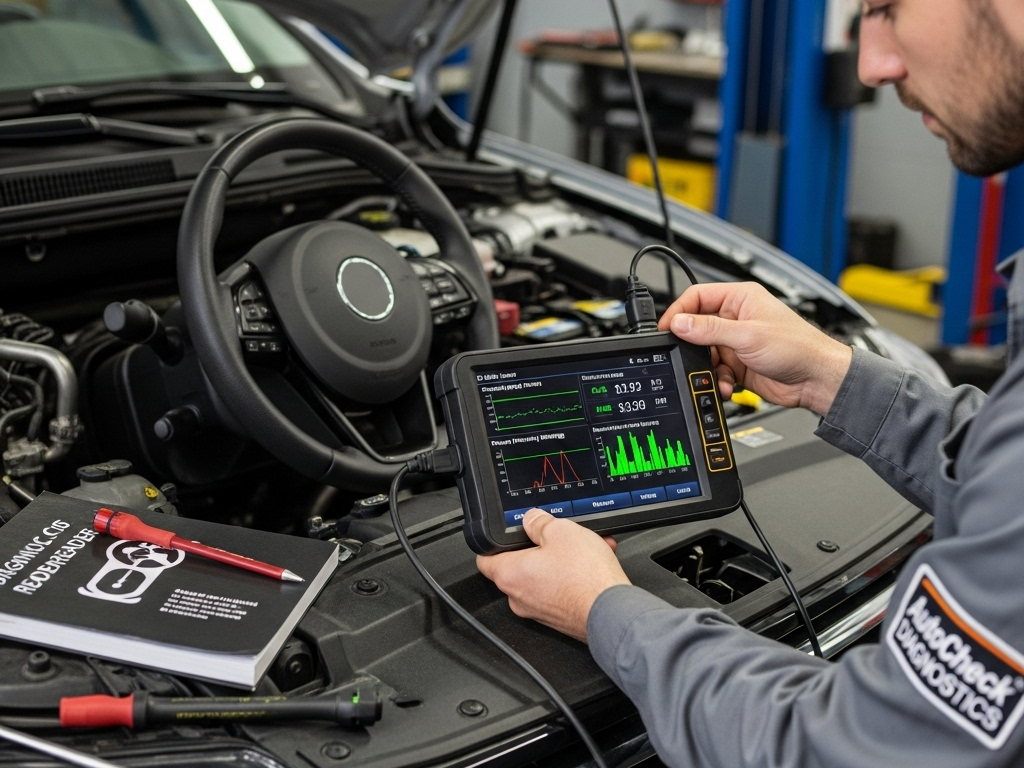
Why must global distributors understand tpms frequency europe asia us when sourcing TPMS stock?
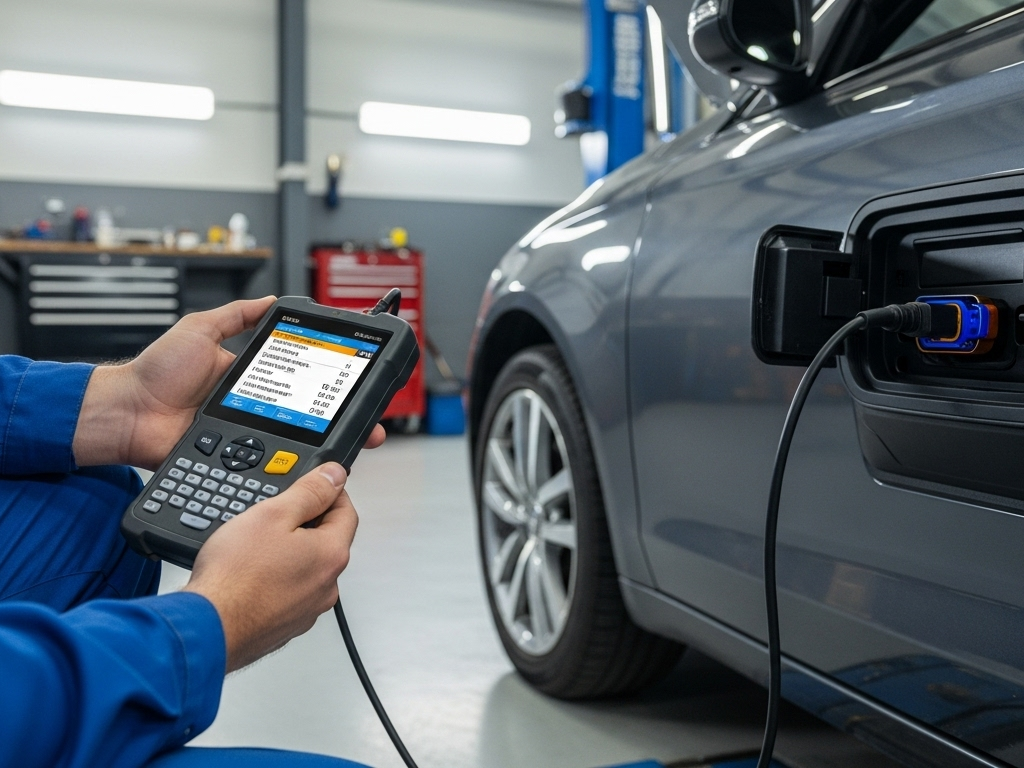
Kicking off
Complete soaring subtlety among newfangled vehicles calls for a comprehensive detailed insight of diagnostic systems, notably relating to On-Board Diagnostics II (OBD2) and Tire Pressure Monitoring Equipment (TPMS). Through Europe, Asia, and the US, these functionalities execute using alternative frequencies. OBD2 protocols are largely standardized globally, mostly utilizing ISO 9141-50, KWP2000, CAN, and others, but regional enforcements can yield minor differences. TPMS, however, is where significant frequency variations appear. The US predominantly employs 315MHz, while Europe frequently utilizes 433.92MHz, and Asia reveals a more dispersed range including both frequencies and extra bands. Accordingly, faultless diagnostic machinery must be supplied with the skill to translate these manifold frequencies to support effective maintenance and maintenance.
Unpacking TPMS Sensor Frequencies: A Global Guide (Europe, North America, Asia)
Learning tire observing mechanism (TPMS) module bands throughout the world can be hard. Habitually, North lands largely utilize 315 MHz, despite some modern vehicles apply 433 MHz. On the other hand, Europe and most of Asia typically function on the 433 MHz frequency, with some jurisdictional variations surfacing chiefly in select Asian nations. It's, paramount to ensure the right band prior to get hold of TPMS receivers to make certain compatibility and circumvent conceivable complications.
Battery-Powered Vehicle Readers: OBD2 Compatibility and TPMS Integration
Contemporary battery-powered vehicle inspection gadgets are increasingly blending essential functionality, principally about both common On-Board Diagnostics II (OBD2) functionality and Tire Pressure Monitoring System (TPMS) union. Many non-gasoline autos utilize OBD2 ports for extracting essential system information, authorizing technicians and owners to spot possible errors. Furthermore, smooth TPMS unification provides exact tire pressure indications, contributing to amplified safety and combustion efficiency. This mixture of OBD2 access and TPMS operability represents a substantial breakthrough in electronically powered vehicle analysis.
Tire Monitoring Frequency Contrasts: European Region vs. This Region vs. East Asia - A In-depth Review
Numerous sensors responsible for supervising tire pressure—TPMS—operate on individual radio waves, leading to significant regional divergences. US Region predominantly utilizes 315 MHz, though some newer vehicles are shifting to 433 MHz. Eurozone mandates 433.92 MHz, a specific frequency to maintain coordination across regions. The East exhibits a multifaceted landscape, with reserved lands using 315 MHz, others 433 MHz, and still different nations employing a fusion of both. This distinction brings challenges for service centers and motor vehicle users when dealing with replacement TPMS detectors or diagnostic technology, necessitating careful checking of regional standards to sidestep conflicts and establish proper serviceability of the TPMS.
Auto Scanners for Battery-Powered Autos: Tire Info Inspection & Signal Recognition
Modern vehicle tools are rapidly growing to handle electrified rides, specifically about tire surveillance assessment. Unlike combustion-based rides, electric transport present specialized hurdles when it comes to pressure sensor system verification. Many electrified automobiles use distinct tyre surveillance systems broadcasts requiring the analyzer to exactly identify the channel in use. This quality grants service personnel to exclusively monitor air pressure but also determine the precise broadcast being dispatched by the monitoring network devices, aiding in meticulous inspection of errors.
Europe Tire Pressure Monitoring Systems Channels: Which Ought to Recognize?
Understanding the world of transport TPMS can be a complication, primarily due to the varying bands utilized across Europe, Asia, and the United States. European vehicles predominantly use 433.92 MHz, while multiple Asian countries employ 315 MHz and 433.92 MHz, creating a complicated situation for technicians. In the US, both 315 MHz and 433.92 MHz are popular, with 315 MHz being more substantial. Therefore, understanding these regional contrasts is critical for accurately attending to TPMS difficulties and selecting the appropriate programming tools.
Progressing those Primary Elements: Transport Diagnostics, Battery-Powered Transport Vehicles, together with TPMS Instrument Frequency Determination
For professional vehicle experts, simply apprehending the essential principles involving automotive diagnostics, energy-powered ride platforms, including air pressure detection device broadcast identification entails particular important following point. These fields penetrate into routine techniques, comprising advanced apparatus together with knowledge for faithfully determine as well as fix complicated obstacles connected with tire monitoring, energy structure output, in addition to powertrain error indicators. What's more, efficiently spotting TPMS device transmissions – typically fluctuate within diverse builders alongside generations – sometimes important in efficient setting.
Electric Vehicle Diagnostics: Using OBD2 Scanners to Troubleshoot TPMS
Troubleshooting Tire Pressure Monitoring Systems tire pressure systems in electric vehicles electric cars often necessitates more than just visual inspection. Modern OBD2 scanners offer a ability to extract TPMS data and diagnose potential errors. Utilizing these gadgets, technicians can examine fault codes, test sensor health, and even conduct sensor evaluations, allowing for effective diagnosis of system glitches and minimizing outage periods. Those is especially significant given the expanding complexity of EV architecture.
Exploring TPMS Signals: A Step-by-step Introduction for Eurozone, Asia-Pacific, and the Continent
Successfully running tire surveillance systems among the Continent, Asian Subcontinent, and American Continent calls for a thorough command of the diverse signal bands they work with. Contrary to a standardized system, various locations commonly adheres specific spectral regions. Namely European Union chiefly depends on 315 MHz range and 433.92 MHz band, while the Continent typically electric vehicle scanner uses hundreds fifteen MHz even though some newer vehicles can adopt four-three-three point nine two MHz. Asia displays a more intricate picture, with many spectrum allocations operated, reliant on the state and transport maker.
- Ponder territory restrictions regarding wireless signal.
- Check your car operating manual for precise band.
- Leverage a TPMS scanner equipped for understanding multiple frequencies.